Office Phone Number:  (832) 644-8930

New Patient Appointments:  (346) 662-1220

Venous Doppler

what is a venous doppler - modern heart and vascular

Venous Doppler

What is a Venous Doppler?

A venous doppler, also known as a venous duplex ultrasound, is a non-invasive imaging test that uses sound waves to visualize and assess the blood flow in your veins. This painless and safe procedure is instrumental in diagnosing various vein conditions, providing physicians with the crucial information needed to create an effective treatment plan.

Our experienced team is dedicated to providing you with accurate results and personalized care, helping you take the first step towards healthier veins and improved well-being.

How does it work?

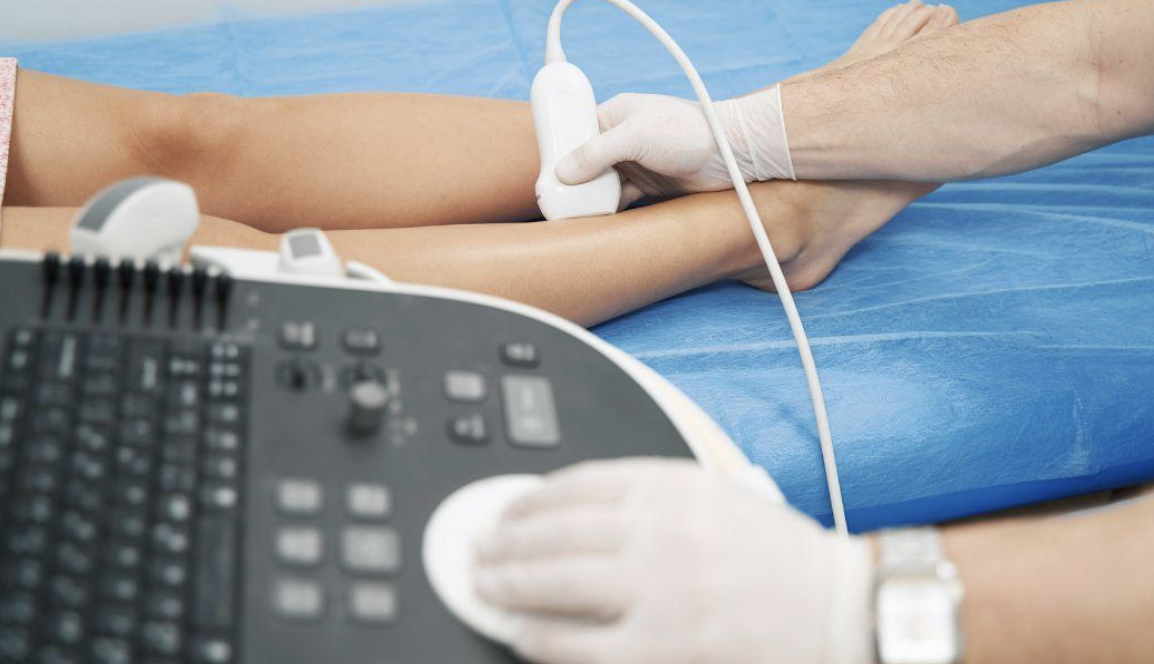
  • A small probe, called a transducer, is placed on your skin over the area of concern.
  • This transducer emits high-frequency sound waves that bounce off the blood cells moving within your veins.
  • The reflected sound waves are then converted into images on a monitor, allowing your healthcare provider to observe the blood flow in real time.
  • The Doppler component of the test measures the speed and direction of blood flow, aiding in the detection of any abnormalities or blockages.

Why would I need a venous Doppler?

Your physician may recommend a venous Doppler if you experience symptoms such as:

  • Leg pain or swelling
  • Varicose veins or spider veins
  • Skin changes or discoloration
  • Ulcers or sores on the legs
  • A feeling of heaviness or fatigue in the legs
  • A history of blood clots
 

A venous doppler can be used to diagnose a variety of conditions, including:

  • Deep vein thrombosis (DVT): A blood clot in a deep vein, usually in the legs
  • Superficial thrombophlebitis: Inflammation of a vein near the surface of the skin, often associated with a blood clot
  • Varicose veins: Enlarged, twisted veins that often appear blue or purple
  • Venous insufficiency: A condition where the veins are unable to pump blood back to the heart efficiently
  • Venous reflux: A condition where blood flows backward in the veins

Signs You Need a Venous Doppler Right Now

While a venous doppler may be part of a routine checkup for those with a family history of vein disease, specific symptoms warrant seeking this test sooner rather than later. If you experience any of the following, it’s time to schedule a venous Doppler:

  • Unexplained leg pain or swelling: Persistent or worsening leg pain, especially when accompanied by swelling, could signify a blood clot or other vein issue. Early detection is crucial for prompt treatment and prevention of complications.
  • Visible varicose or spider veins: These enlarged, twisted veins may not only be a cosmetic concern but can also indicate underlying vein problems. A venous Doppler can assess the severity and guide treatment options.
  • Skin changes: Changes in skin color or texture, such as redness, warmth, or a hardened area, could signal inflammation or a blood clot near the surface.
  • Leg ulcers or sores that don’t heal: These slow-healing wounds might be a sign of venous insufficiency, where blood pools in the legs due to faulty valves.
  • A feeling of heaviness or fatigue in the legs: This persistent discomfort, especially after prolonged standing or sitting, can indicate poor blood circulation in the veins.
  • Recent surgery or injury: Immobilization after surgery or injury increases the risk of blood clots. A venous doppler can identify clots early and help prevent serious complications.
  • Pregnancy: The hormonal changes and increased blood volume during pregnancy can elevate the risk of vein problems.
  • Family history of vein disease: If you have a family history of varicose veins, DVT, or other vein conditions, you’re at a higher risk and should consider regular venous Doppler screenings.

Early diagnosis and treatment of vein problems can significantly improve your quality of life and prevent serious complications. Don’t hesitate to consult your physician if you experience any of these symptoms.
What to Expect During a Venous Doppler

what to expect during a venous doppler

A venous doppler is a simple and painless procedure that typically takes around 30 to 60 minutes. Here’s what you can generally expect:

Before the procedure

  • No special preparation is usually required: You can eat and drink normally before the test. However, your doctor may advise you to avoid applying lotions or creams to the area being examined.
  • Wear loose-fitting, comfortable clothing: You may need to undress and change into a gown partially, so choose clothing that’s easy to remove and put back on.
  • Inform your doctor about any medications or medical conditions: Certain medications, such as blood thinners, may need to be adjusted before the test. Be sure to let your doctor know about any allergies or pre-existing conditions.

During the procedure

  • You’ll lie on an exam table: The area being examined will be exposed, and a clear gel will be applied to your skin to improve the contact between the transducer and your skin.
  • The technologist will move the transducer over your skin: You may feel slight pressure as the transducer is moved, but it shouldn’t be painful.
  • You may be asked to change positions or hold your breath, which helps to obtain better images of your veins.
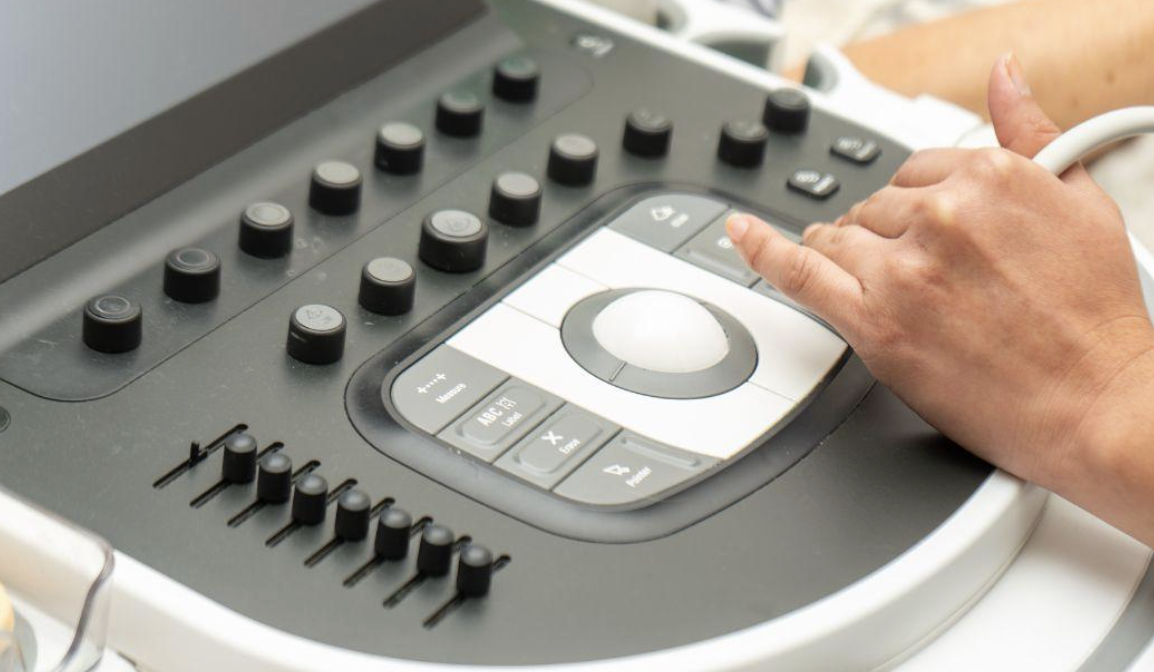
  • The technologist may take measurements and images: These will be used to assess the blood flow in your veins.

After the procedure

  • You can resume your normal activities immediately: There’s no recovery time needed.
  • The gel will be wiped off your skin: You may want to bring a towel or tissues to remove any excess gel.
  • Your doctor will review the results with you: They’ll discuss the findings and any necessary next steps, such as further testing or treatment.

Overall, a venous Doppler is a quick, safe, and painless way to gain valuable insights into the health of your veins.

Ready to Take the First Step Towards Healthier Veins?

If you’re experiencing symptoms of vein disease or are concerned about your vein health, don’t delay seeking professional evaluation. Early diagnosis and treatment can prevent serious complications and improve your quality of life.

Modern Heart and Vascular offers comprehensive venous Doppler testing and personalized treatment plans to address your specific needs. Our experienced team is dedicated to providing you with the highest quality care in a comfortable and compassionate environment.

Schedule your venous doppler today and take control of your vein health. We’re here to support you every step of the way.

This page does not provide medical advice. It is intended for informational purposes only. It is not a substitute for professional medical advice, diagnosis or treatment. If you need cardiovascular care, please call us at 832-644-8930.

Request an
Appointment

Every heart has a story…What’s yours?
Choose your appointment at one of our 7 locations