
Office Phone Number: (832) 644-8930
New Patient Appointments: (346) 662-1220
Chronic venous disease and venous insufficiency are two conditions almost everyone have heard about during a visit to a cardiologist. The venous disease develops within the body due to external and internal stresses that affect how unidirectional (upward) venous blood flow carries blood from the lower legs and organs to the heart.
All of this venous blood moves against gravity, and that action itself may be complex if the veins are: stretched, stressed, and unable to carry excess blood.
Years of clinical studies and research on vascular health have established a clear connection between weight gain and vein disease. So what is the relation between weight gain and vein disease?
Vein disease begins with various factors contributing to the inability of the veins in the lower portion of your body to push blood from your legs to your heart. Furthermore, the venous valves maintain the blood flowing in the right direction.
However, ineffective valve function results in excess blood waiting to circulate from one part of the vein to the next, causing these veins to expand. The expansion of the vein walls causes stretching, which continues until the vein can no longer resist and relax to its normal state, resulting in visible bulging veins.
You know you are suffering from vein disease when bulging varicose veins occur.
Being overweight is a significant problem for many Americans. Nearly forty percent of American adults are overweight or obese. Being overweight is detrimental to our health and our veins. Gaining weight may worsen the symptoms of varicose veins.
Carrying extra weight puts more pressure on the veins, which increases the risk of having varicose veins or worsening the existing condition.
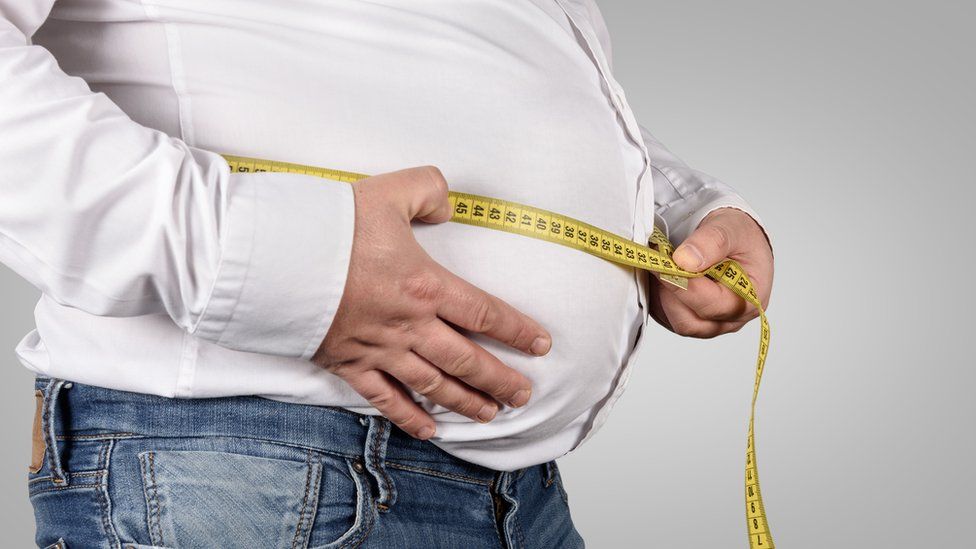

Venous insufficiency, the result of damage to the veins in our legs, causes spider and varicose veins. In addition to being overweight or obese, many other variables may contribute to their development. These include age, genetics, prolonged sitting, pregnancy, smoking, inactivity, and high blood pressure.
As mentioned, abnormal blood flow within the veins happens when the small unidirectional valves malfunction. This situation usually occurs when the veins are overloaded. Damaged and stressed vein valves cannot effectively return the blood to the heart. Instead, blood begins to pool in some areas of your body and flows incorrectly.
The zones most frequently affected are your ankles, feet, and legs.
Unfortunately, you are more likely to develop vein problems if you are overweight. However, you may get help controlling your pain and suffering.
Although weight loss may help with painful or uncomfortable vein symptoms, specialists cannot repair damaged valves. Nevertheless, we are not saying that losing weight will not improve the health of your veins because it will. Losing weight may relieve symptoms and reduce the risk of acquiring new vein problems.
If you lose some extra weight, you may notice bulging veins. This situation occurs because more prominent veins beneath the fat occasionally go unnoticed. However, after losing weight, you may find that varicose veins symptoms still negatively affect your lifestyle.
Fortunately, there are numerous options for taking action.

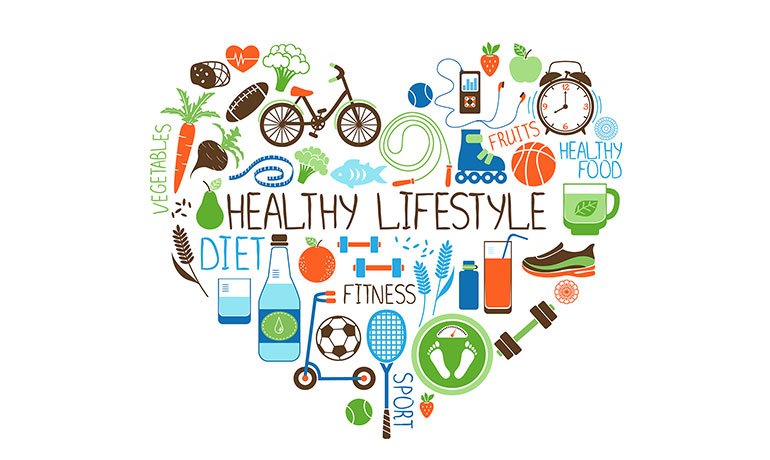
Try to lead a healthy lifestyle to improve your vein condition. For example, you should avoid prolonged sitting, exercise daily, and eat a healthy diet. In case you smoke, you should consider quitting. In addition, if you suffer from high blood pressure, diabetes, and other chronic health issues, you should try to control these underlying conditions to relieve the strain on your veins.
Unfortunately, these lifestyle adjustments only help to improve but are rarely enough to treat varicose veins that have already developed completely. In addition, vein disease usually progresses over time, which means it worsens.
Fortunately, treatments are now available that may significantly address vein problems, helping to improve your quality of life.
If you suffer from varicose veins and want to learn about the options available, visit any of our Modern Heart and Vascular Institute locations. Our board-certified cardiologists, nurse practitioners, and the rest of the Modern Heart and Vascular Institute staff will gladly help you.
With special care and experience in the most advanced treatments, Modern Heart and Vascular Institute experts offer our patients relief from circulatory problems affecting the legs, including varicose veins, leg swelling, chronic venous insufficiency, spider veins, and leg ulcers.
You can control your weight, which helps your veins function more efficiently. By reaching and maintaining your optimal weight, you can reduce the risk of varicose veins and minimize the chance of developing new ones while relieving the uncomfortable symptoms of varicose veins.
There are several strategies to lose weight, which include the following:
PHYSICAL ACTIVITY
Physical activity is beneficial for your veins for these reasons:
VEIN-FRIENDLY DIET
The food you eat has a profound effect on your veins. In particular, salty food causes you to retain water, and that excess water may stress your veins.
An optimal diet for vein health includes healthy servings of colorful fruits and vegetables that contain bioflavonoids. Flavonoids have antioxidant qualities, increase blood flow, and reduce inflammation. In addition, fruits and vegetables are generally lower in calories, which will also help you lose weight.
BE ACTIVE, DON’T STAY MOTIONLESS
You can care for your veins even if you sit or stand most of the time at work. Get your blood moving by getting up and walking whenever possible. Or at least flex your ankles at your desk to stimulate blood flow.
Although compression stockings won’t make you lose weight or have an effect on it, wearing compression stockings promote leg circulation. Raising the legs above the heart also stimulates blood flow to the heart. More efficient blood flow can reduce the symptoms of varicose veins.
Losing weight will benefit your veins in many ways, such as decreasing the chance of having varicose veins or developing new ones. In addition, as you lose weight, you will notice your symptoms subside.
But losing weight alone will certainly not cure varicose veins. To remove bulging veins, talk to a vein specialist at Modern Heart and Vascular Institute about the minimally invasive surgical techniques to treat varicose veins. Once your varicose veins are completely gone, you can enjoy smooth, pain-free legs.
Removing these bulging veins will reduce the risk of complications, such as blood clots, bleeding, and skin ulcers.
MORE TIPS FOR PREVENTING VARICOSE VEINS
You cannot entirely avoid varicose veins, but there are actions you can take to make them less likely to develop.
If you already have small varicose veins, the following measures may keep the veins from worsening.
Individuals generally need treatment to remove damaged veins, treat complications, or correct a problem triggering the varicose veins. The length of your varicose veins influences and determines your treatment options and the weight-control diet plan.
Nevertheless, some people may want to improve the appearance of their legs, even if their varicose veins do not cause them other issues. Treatment can be a good option if no other health problems make the treatment risky.
Your physician should look at your legs and bare feet to evaluate and diagnose varicose veins and determine the best strategy for your situation. So, depending on that evaluation, your physician will recommend that you lose weight to reach your optimal weight.
Gaining weight can worsen your varicose veins.
Every heart has a story…What’s yours?
Choose your appointment at one of our 7 locations